

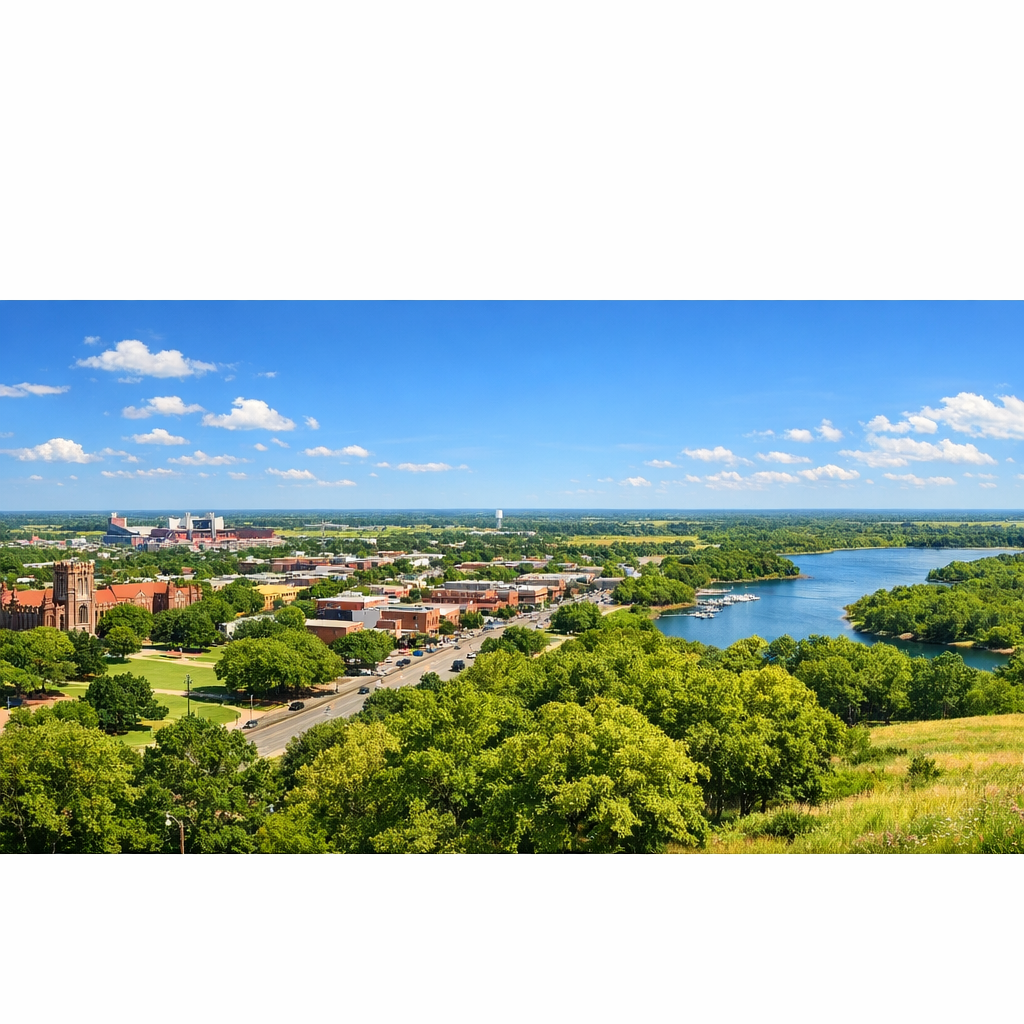
Norman, Oklahoma, experiences a humid subtropical climate characterized by hot, humid summers and cold winters. Understanding these patterns is essential for residents to prepare for seasonal changes and their environmental impacts.
Seasonal Temperature Variations
Throughout the year, temperatures in Norman fluctuate significantly. Average daytime highs range from approximately 49°F (9.5°C) in January to about 94°F (34.2°C) in July. Correspondingly, average lows vary from around 32°F (0.2°C) in January to 74°F (23°C) in July. This variation underscores the importance of seasonal preparedness for both heat and cold.
Precipitation and Storms
Norman receives an average annual precipitation of about 38 inches, with May and June being the wettest months. The city is situated within Tornado Alley, making it susceptible to severe weather events, including tornadoes and heavy storms, particularly in the spring and early summer months. Residents should stay informed about weather forecasts and have emergency plans in place during these periods.
Environmental Impacts
Seasonal changes influence local wildlife behavior. For instance, in late winter to early spring, raccoons and squirrels begin nesting, while bats return to attic and chimney roosts. During spring and summer, young wildlife disperses from birth sites, and snakes become more active along creek edges. Homeowners should be aware of these patterns to manage potential wildlife encounters effectively.
Climate Change Considerations
Looking ahead, climate projections indicate an increase in the number of extremely hot days in Norman. By 2050, residents may experience an average of about 36 days per year with temperatures exceeding 101°F (38°C), up from approximately 7 days around 1990. This trend highlights the need for adaptive measures to mitigate heat-related health risks and environmental challenges.
Understanding Norman’s climate patterns is crucial for residents to navigate seasonal changes and their associated environmental impacts effectively. Staying informed and prepared can enhance community resilience in the face of evolving weather conditions.